UGC ad generator for product-in-hand images, short videos and scripts
advrt makes UGC-style images and 8-second videos with your real product, plus hooks and scripts to film. Talking AI creators with voice are in development and not available.
Phone-shot looking ads, a hand holding your product, a mirror selfie in your sweatshirt, made from your product photo. If you need an AI person talking to camera, this page tells you who does that today.
Free plan: 5 ad generations a month, no card.
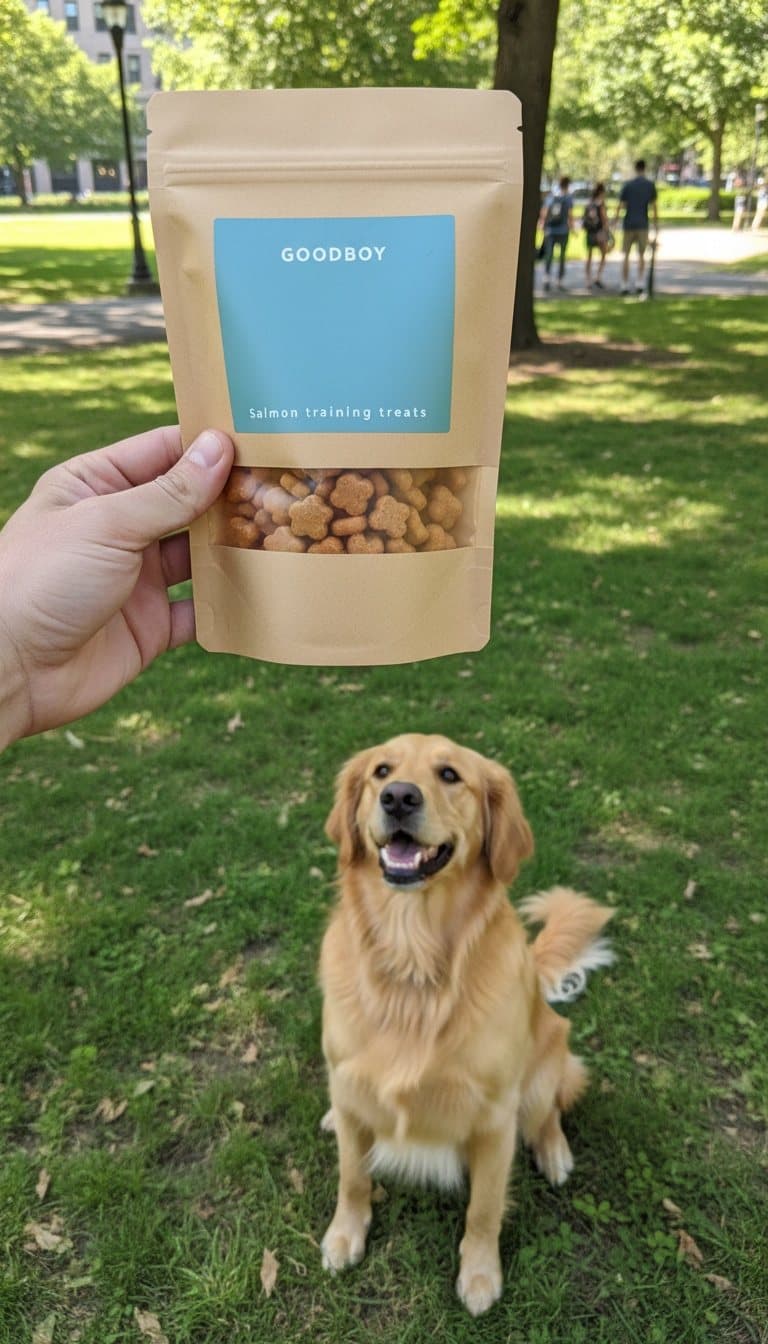
Unedited advrt outputs for fictional brands. The video was made by animating an advrt UGC still with Veo 3 Fast image-to-video.
What does UGC mean in advrt today?
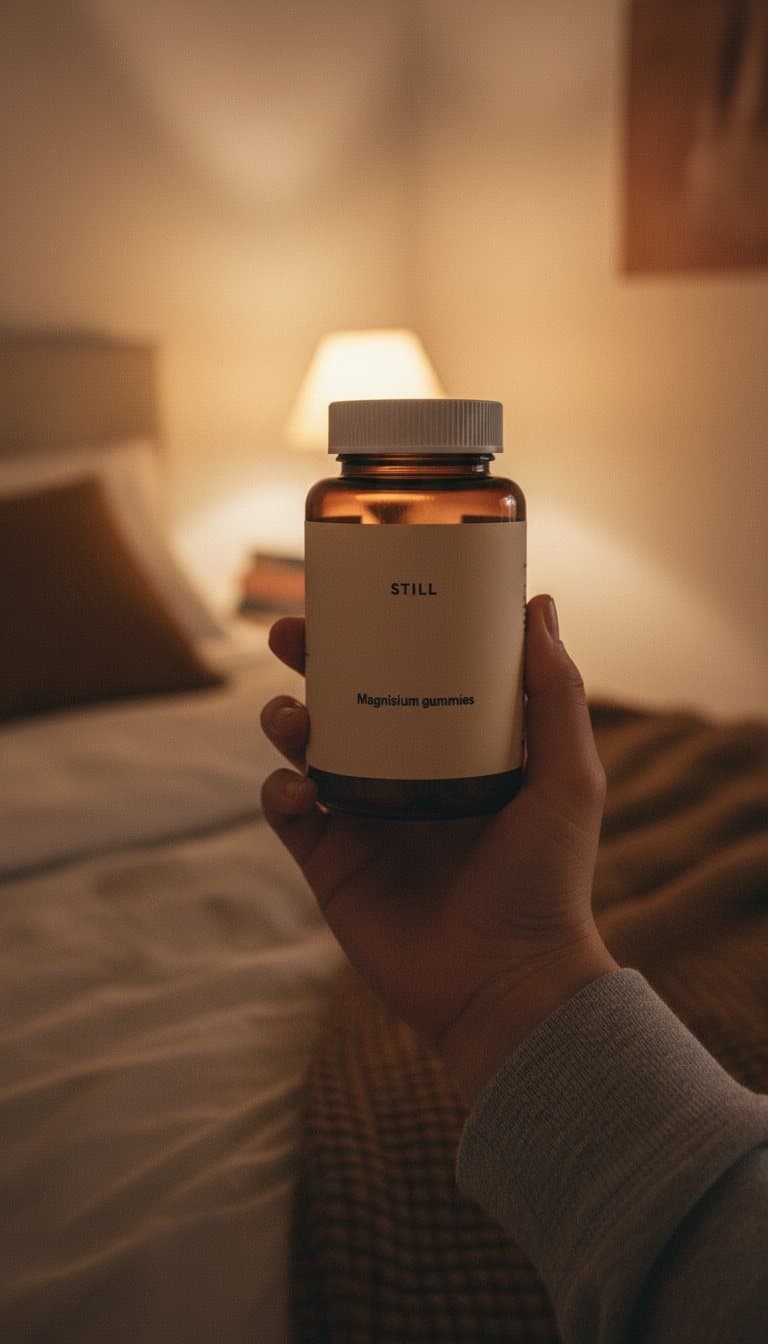
In advrt, UGC means ads that look like a customer shot them on a phone: a hand holding the product in a park, a jar on a bedside table at night, a mirror selfie in the sweatshirt. The images are made by editing your real product photo into that scene, so the bag, jar or bottle is the one you sell. Each angle also comes with 3 to 5 hooks and a short script written for one on-camera creator or a voiceover, which you can film yourself or hand to a creator.
What advrt doesn't do yet is the other kind of UGC: an AI person talking to camera with a synthetic voice and lip-sync. That's in development and not available. If talking avatars are the format you need now, tools like Arcads and Creatify are built for it. advrt's strength is the product being right and the test afterwards: every UGC-style ad can go straight into a Meta test against your other creatives.
At a glance
| Images | 9:16 phone-shot scenes with your product |
|---|---|
| Video | 8-second clips, no voice |
| Scripts | Hook, body and CTA per angle |
| Hooks | 3 to 5 per angle, under 12 words |
| Talking AI creators | In development, not available |
| Testing | Meta, Basic and Pro plans |
How to make UGC-style ads in advrt
Images and video work on every plan; testing and publishing start on Basic.
- Import the product from a URL, Shopify or CSV. A clear photo with the label facing out works best.
- Pick a UGC angle. advrt's angles use formats including ugc_testimonial, lifestyle and problem_solution. The angle writer is told never to invent reviews, so social proof only belongs in an angle when your product data includes real ones.
- Generate a 9:16 image. The prompt describes hands, setting and phone-camera framing around "the product", and the preservation line keeps the product as it is.
- Make it move, if you want. Render an 8-second clip. In the app, image-to-video animates your product photo; text-to-video models write the scene from the script, with a lookalike product.
- Film the script, if you want a real voice. The angle's video script has a 2-second hook, a body and a closing line for one person. That's the fastest route to talking UGC today.
- Test it. Put the UGC-style ads next to your studio and lifestyle ads in one Meta test and let the account baseline decide.
What went wrong in our UGC-style tests
We made a UGC-style 9:16 image for each of 13 fictional products, then animated three of them with Veo 3 Fast. UGC scenes fail in different ways from studio shots, because there's a person in the frame competing with the product.
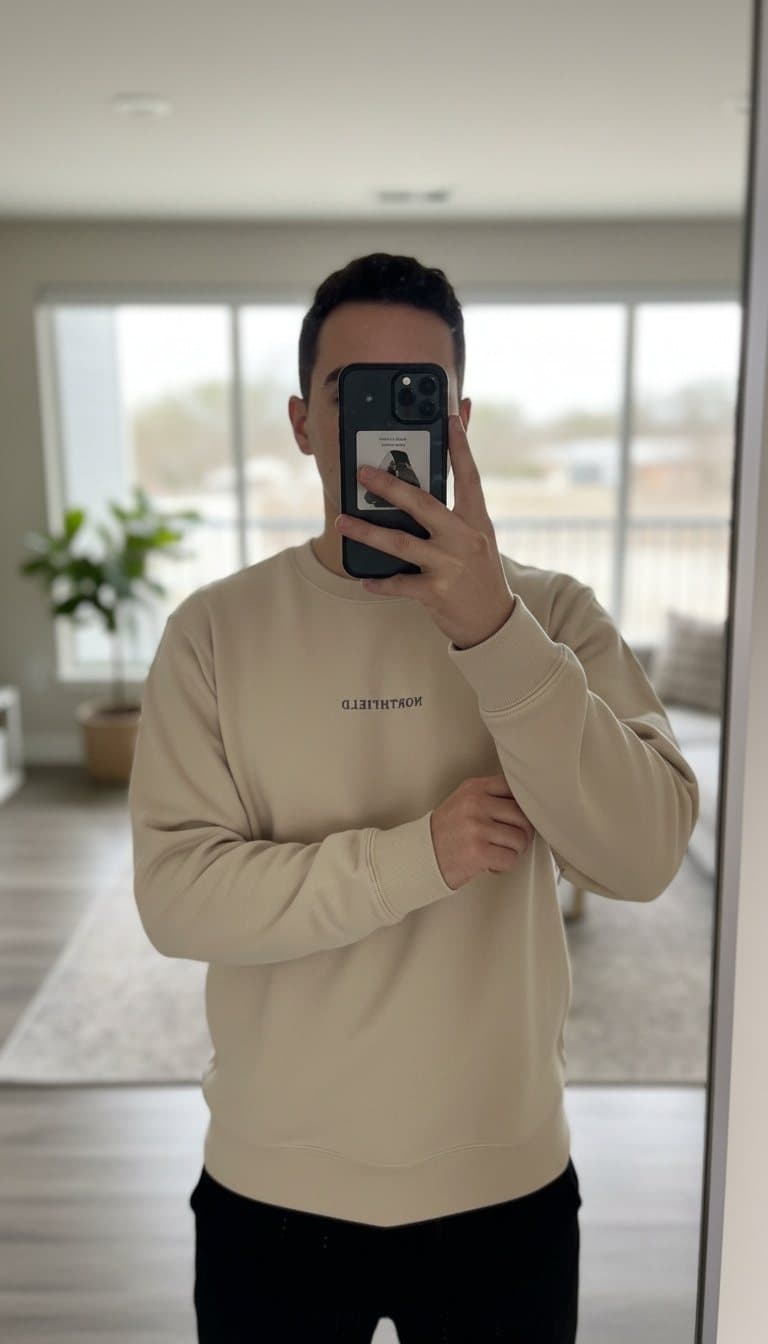
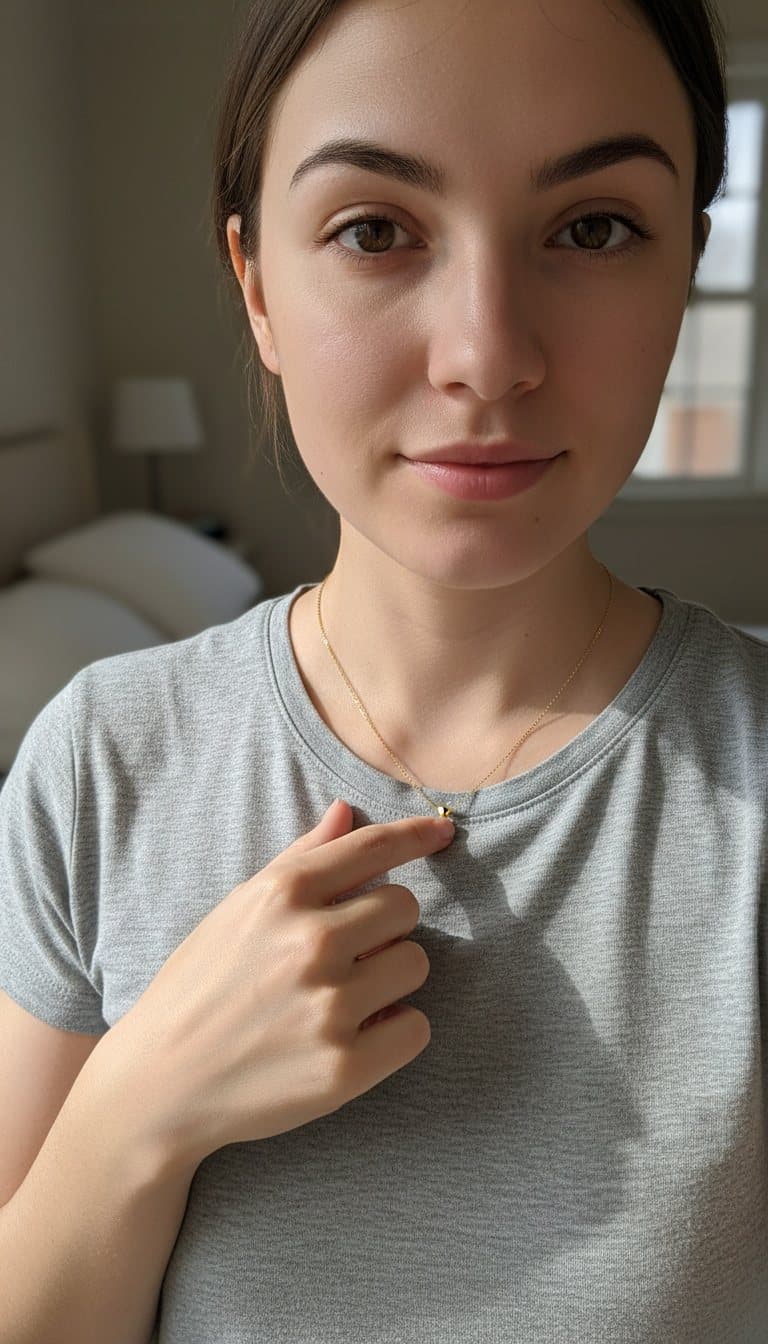
Unedited advrt outputs for fictional brands.
| Ad | What happened | Fix |
|---|---|---|
| Necklace selfie | The first selfie didn't show the necklace at all. | Asked for the pendant to be visible and in focus; the second render shows it. |
| Sweatshirt mirror selfie | The chest logo reads backwards, as it would in a real mirror. | Kept for the showcase. For an ad, ask for a front-facing shot. |
| Coffee video | A second hand appeared mid-clip. | Re-rendered with "one hand only". |
| Bottle video | The bottle rotated and the logo turned into "FWLOFW". | Re-rendered with "the bottle does not turn or rotate". |
| Bottle still | The hand holding the bottle doesn't belong to the person in the mirror behind it. | Kept for the showcase. Easy to miss, and a sharp-eyed viewer will notice. |
Sunglasses rendered cleanly first time. 2 of 3 videos needed one re-roll.
Two habits avoid most of this. Say in the brief that the product must be visible and in focus, especially if it's small. And keep the product facing the camera; the moment it turns, text on it is redrawn from guesswork.
Which UGC-style scenes suit which products?
The scene has to give the product a job. In our showcase the strongest UGC-style images put the product where it's used and kept it big in the frame; the weakest made the person the subject and lost the product. These are the scenes we used and what each one needs from the prompt.
| Product type | Scene | Ask for |
|---|---|---|
| Pet food and treats | A hand holding the bag up, the dog looking at it, outdoors | Bag in the upper half, label facing camera |
| Jewellery | Selfie with a finger pointing at the piece | The pendant visible and in focus, close crop |
| Apparel | Mirror selfie wearing it | A front-facing shot if the logo must read correctly |
| Supplements | A hand holding the jar by the bed at night | Label facing camera; warm, low light |
| Coffee and packaged food | A hand holding the bag up in a sunny kitchen | One hand only, product steady |
| Drinkware | A hand holding the bottle at the gym, mirror behind | A person who matches the hand |
From advrt's 13-product showcase. Your category may want different scenes; advrt's angle writer proposes them from your product data.
Keep the bottom third of a 9:16 image calm. On Reels and Stories, Meta's caption, profile and call-to-action overlay that area, so a product placed low in the frame gets covered. In our dog-treat image the bag sits in the top half, which is where it should be.
Can you present AI people as real customers?
No, and this matters more for UGC than any other format. In the United States, the FTC's final rule on fake reviews and testimonials, announced on 14 August 2024, covers testimonials that misrepresent that they are by someone who does not exist, including AI-generated ones. A UGC-style image of an AI person holding your product is a scene; putting a quote under it and implying it's a customer's experience is a fake testimonial.
- Use UGC-style images for the look and the setting, not as "reviews".
- Keep claims to what your product data supports. advrt's angle writer is told never to invent reviews, results or certifications.
- If you have real reviews, put them in your product data; only then will advrt suggest a social-proof angle.
advrt vs AI avatar tools and real creators
Three different ways to get UGC ads. Pick by whether you need a voice and how much the product's look matters.
| Option | What you get | Product accuracy | Testing on Meta | Price signal |
|---|---|---|---|---|
| advrt | UGC-style images, 8-second product video, hooks and scripts | Starts from your product photo | Built in: one ad set per creative, verdicts vs your account | Free; Basic $19.99/mo; Pro $49/mo |
| Arcads | Talking AI actors in 74 languages, translation, captions, product shots | Actors don't hold your product until you generate that image | See vendor | Credit plans priced in-app; 72-hour trial with card |
| Creatify | AI avatar videos, URL-to-video, image ads | Varies by workflow | See vendor | Standard $15/mo; free plan exports watermarked |
| Real creators | Real people, real voice, real use | Exact | You upload and test | Paid per video or per month |
Arcads and Creatify details from their help centre and pricing pages, checked October 2026.
Checked facts
- The FTC's rule bans reviews and testimonials that "misrepresent that they are by someone who does not exist, such as AI-generated fake reviews" (FTC, 14 August 2024).
- Arcads' FAQ says its actors are "based on real actors, who gave consent and are paid", that "talking actors speak 74 languages with accents", and that the trial is 72 hours with 1,000 credits and a card (Arcads FAQ, checked October 2026).
- Arcads: "the actors available in the library are not yet holding your product" (Arcads: Show a product in a video).
- Creatify lists Standard at $15/mo billed monthly ($12 billed yearly) with 300 AI actors, Pro at $55/mo with 1,500, and watermarked exports on the free plan (Creatify pricing, as of October 2026).
- Meta's Reels guide asks you to keep 14% at the top and 35% at the bottom of a 9:16 ad free of key elements, which is where UGC captions and buttons land (Meta Ads Guide: Instagram Reels).
What it costs
| Plan | Price | Includes |
|---|---|---|
| Free | $0/mo | 5 ad generations / month · 1 brand · AI angles, hooks and ad copy · Ads built from your real product photos · Meta Ad Library swipe file |
| Basic | $19.99/mo | 100 ad generations / month · Up to 5 brands · Everything in Free · Live creative tests on Meta · Winner / loser verdicts vs. your account · Auto-pause losers · Publish to Meta and TikTok |
| Pro | $49/mo | Unlimited ad generations · Up to 50 brands · Everything in Basic · Video ad generation at volume · 14-day free trial |
Prices in USD. Ad spend is paid to Meta or TikTok from your own ad account. Compare plans
Questions
- Does advrt have AI avatars that talk?
- Not yet. Talking AI creators with voice and lip-sync are in development. Today advrt makes UGC-style images, 8-second product videos and scripts for a real creator to film.
- Is UGC-style the same as UGC?
- No. UGC is content made by real customers or creators. UGC-style is an ad that borrows the look: phone framing, natural light, a hand in shot. advrt makes the second kind.
- Will the product in a UGC-style ad be my real product?
- For images, yes: advrt edits your product photo into the scene. Check small text, which models can smudge, and watch for mirror selfies that reverse logos.
- Can I label these as customer reviews?
- No. The people are generated. Presenting them as customers would be a fake testimonial under the FTC's 2024 rule in the US.
- Does advrt write UGC scripts?
- Yes. Every angle includes 3 to 5 hooks and a script with a 2-second hook, a body and a closing line, written for one person on camera or a voiceover.
- How is this different from Arcads?
- Arcads is built around talking AI actors. advrt is built around your real product and a fair test on Meta. If you need a talking actor today, Arcads does that; advrt doesn't yet.
Related features
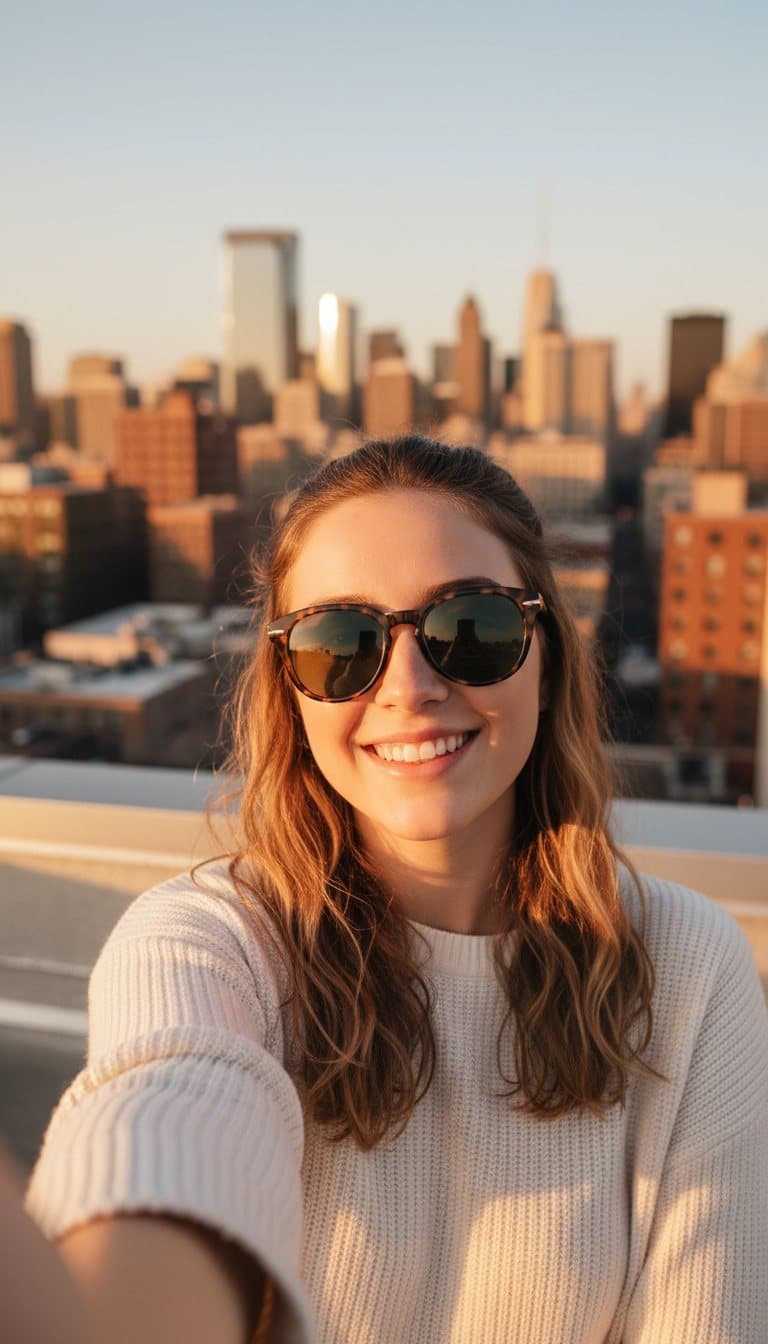 Product video generatorAnimate a product photo into an 8-second Veo 3 video for Reels and TikTok.
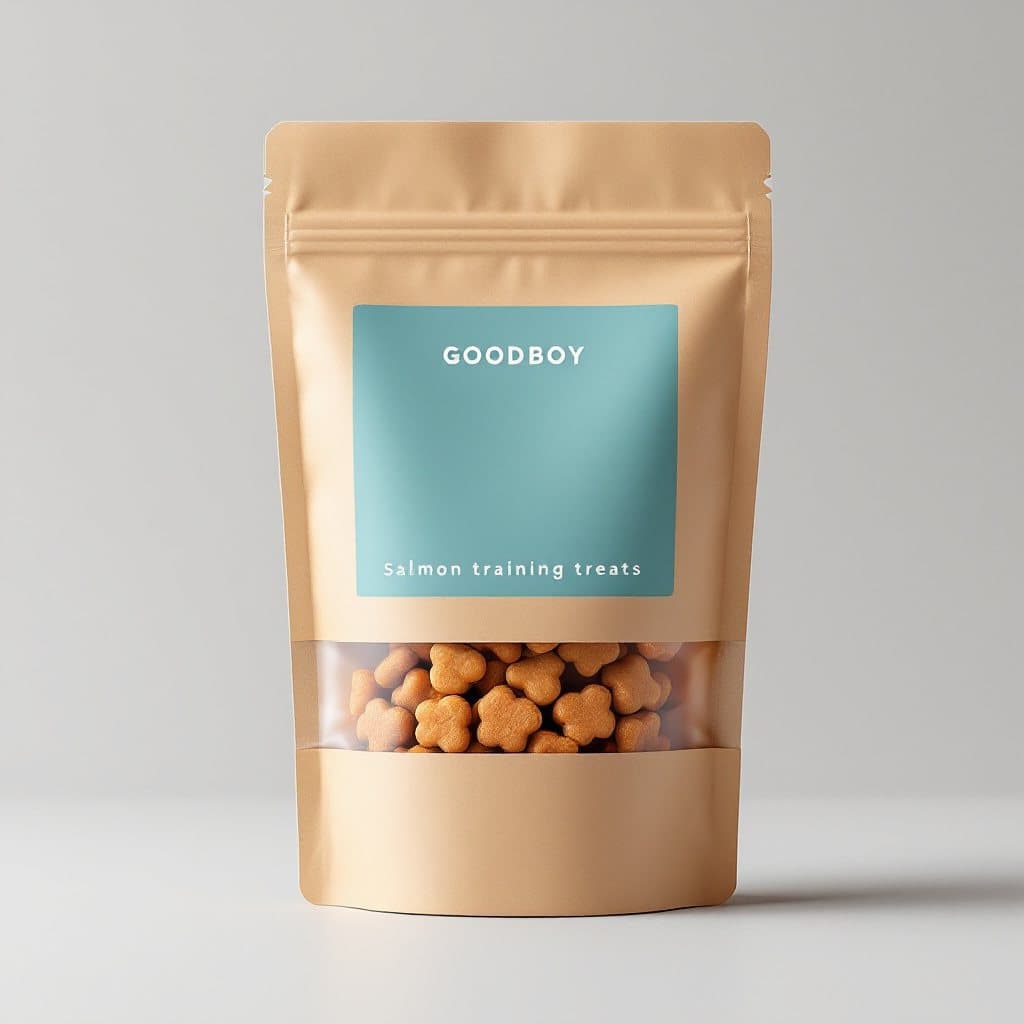 AI product photographyYour packshot, placed into lifestyle and UGC-style scenes without redesigning it.
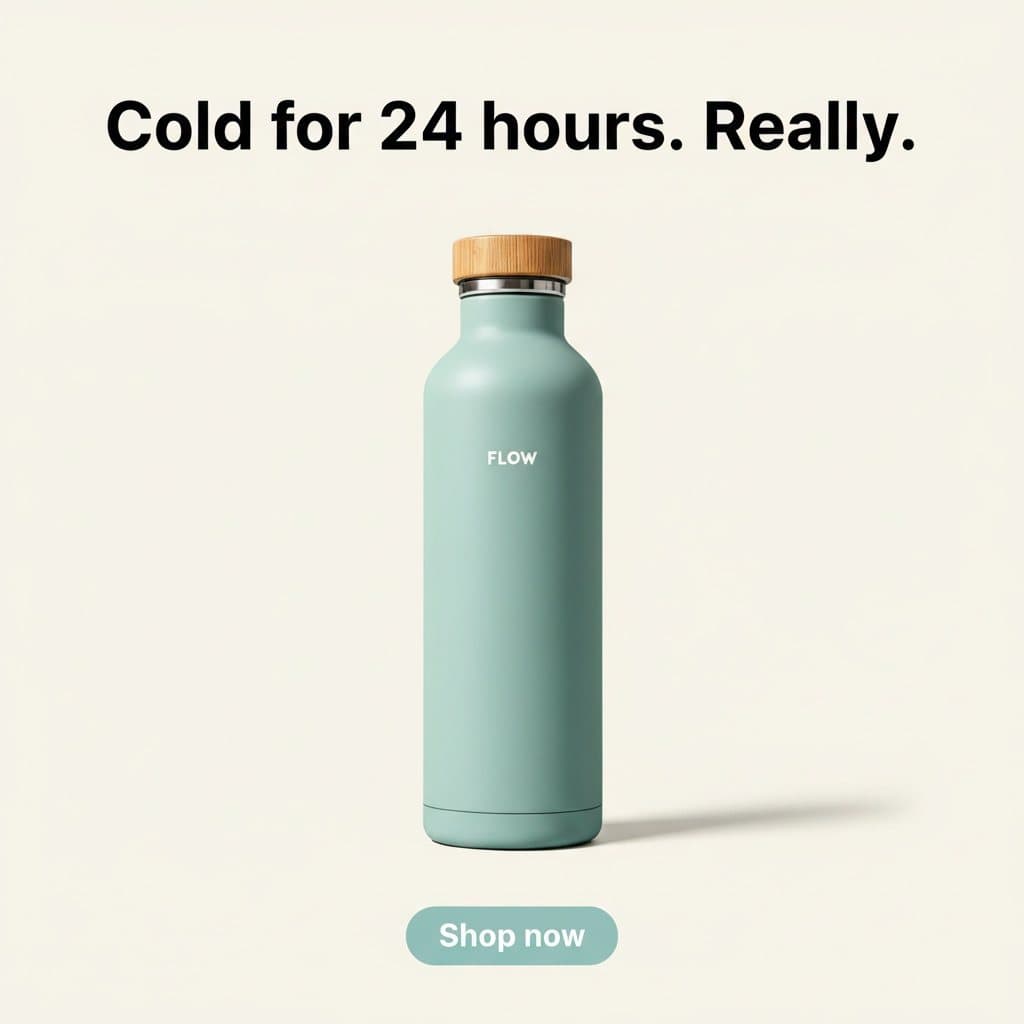 Facebook ad copy generatorDistinct angles with hooks, headline, primary text, CTA and a video script.
Further reading
- advrt for UGC creators · Using advrt for brand clients
- Best AI UGC generators · Avatar tools compared honestly
- Arcads alternative · Where Arcads and advrt differ
- TikTok ad generator · 9:16 ads published to TikTok
- What UGC means · Definitions
- advrt by industry · UGC scenes by category
- Pricing · Free plan, no card
Sources
External facts checked 19 October 2026.
Your next step
If you want UGC-style ads with your real product and a fair test, start free with one product and one UGC angle. If you need a talking presenter today, this isn't the tool yet.